

A new year is often when people decide to reset their routines and focus on better health. While many goals focus on fitness or diet, oral care is frequently overlooked, even though it plays a significant role in daily well-being. Building healthy oral habits does not require complex routines or expensive products. Small, consistent actions can protect your smile and support your body as a whole. Paying attention to oral hygiene early on helps prevent common problems and sets the foundation for long-term health as you move into 2026.
Why Oral Health Matters More Than You Think
The mouth is not separate from the rest of the body. It is an entry point where bacteria can either be controlled or allowed to spread. When dental hygiene is neglected, plaque builds up on teeth and along the gum line. This can lead to tooth decay, cavities, and gum disease, which may cause pain and infection if left untreated.

Research has shown strong links between oral health and overall health. Gum inflammation has been associated with conditions such as heart disease and diabetes. Oral bacteria can enter the bloodstream through infected gums, contributing to systemic inflammation. This is why healthy oral habits are not just about having a nice smile. They are part of preventive dental care and general wellness that supports the entire body over time.
Core Healthy Oral Habits to Start in 2026
To maintain healthy gums and teeth and good oral hygiene in 2026, follow these essential habits.
1. Brushing the Right Way
Brushing is the most basic yet powerful habit for protecting teeth and gums. Dentists recommend brushing at least twice a day using a fluoride toothpaste. Fluoride strengthens enamel and helps prevent cavities by making teeth more resistant to acid attacks.
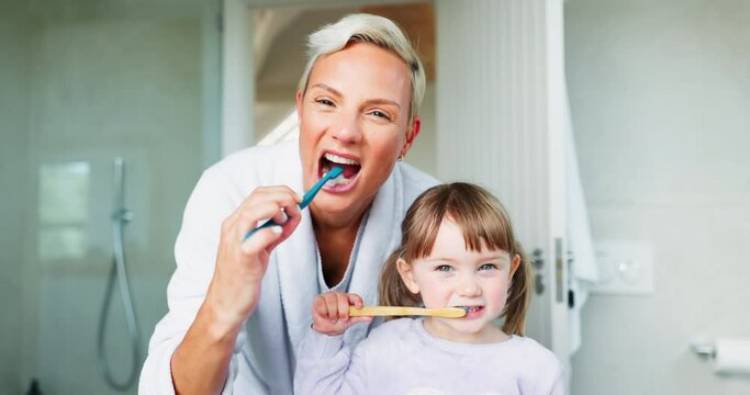
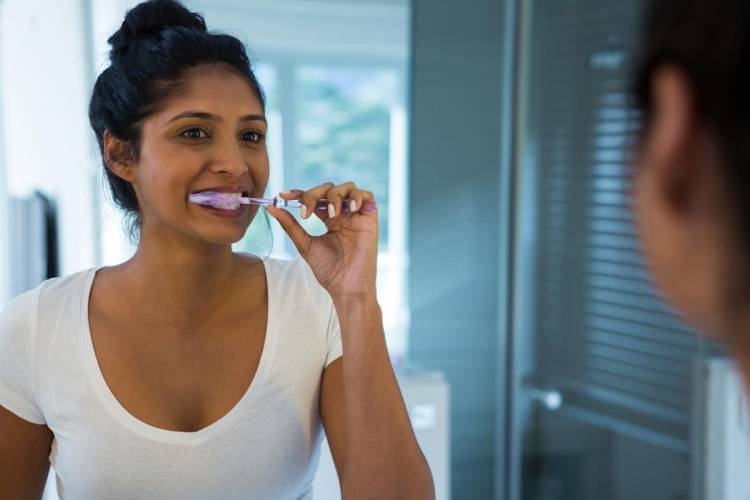
Technique matters just as much as frequency. Gentle circular motions are more effective than aggressive scrubbing, which can irritate gums. A soft-bristle toothbrush should be angled toward the gum line to remove plaque without damaging the gums. These brushing techniques form the backbone of healthy oral habits and help maintain strong teeth and healthy gums over time.
2. Flossing as a Daily Habit
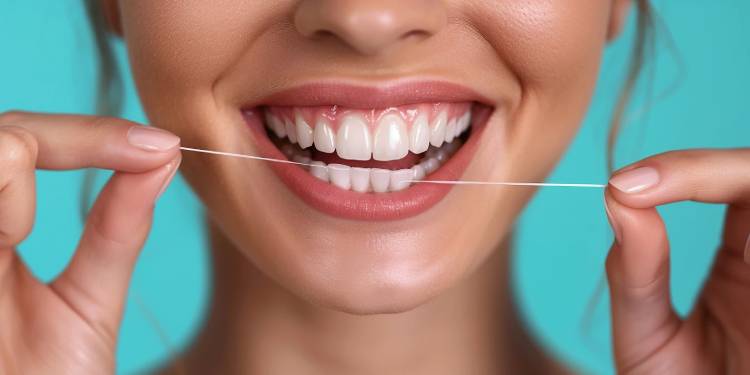
Many people brush regularly but skip flossing, thinking it is optional. In reality, flossing is essential because toothbrushes cannot reach between teeth. Food particles and plaque trapped in these spaces increase the risk of gum disease and cavities.
Daily flossing removes debris and protects the gums from inflammation. Over time, this habit reduces bleeding and sensitivity. Developing flossing as part of a daily dental care routine is one of the simplest ways to protect long-term oral health and reduce the need for dental fillings later in life.
3. Diet Choices That Support Oral Health
What you eat and drink directly affects your teeth. Sugary snacks and drinks feed oral bacteria, leading to acid production that weakens enamel. Being mindful of sugar intake is a key part of oral hygiene habits that support healthy teeth and gums.
Hydration also matters. Drinking water helps wash away food particles and keeps saliva flowing, which naturally protects teeth. Choosing balanced meals with fruits, vegetables, and calcium-rich foods supports enamel strength and gum health. These choices reinforce healthy oral habits without requiring drastic lifestyle changes.
Oral Habits for Different Life Stages
Oral care needs can change over time, and habits that work well at one stage of life may need adjustment later on. Understanding these differences helps ensure proper care and long-term oral health at every age.
1. Children and Teens
Good habits start early. Children’s oral health depends on routines that include brushing with fluoride toothpaste and supervised flossing. Parents play a significant role in teaching proper technique and consistency. Limiting sugary snacks and encouraging water instead of juice also helps prevent cavities.
As children grow into teens, independence increases, but guidance is still essential. Establishing strong dental care habits early reduces anxiety about dental visits and lowers the risk of future dental emergencies.
2. Adults
Adults often juggle busy schedules and may neglect routine care. Stress, diet, and lifestyle factors such as smoking can increase the risk of gum disease and tooth decay. Maintaining healthy oral habits in adulthood includes brushing, flossing, and regular dental exams to catch problems early.
Many adults also consider cosmetic treatments like teeth whitening, but these procedures are most effective when underlying oral health is strong. Daily care remains the foundation.
3. Older Adults
As people age, oral health needs can change. Dry mouth, medication side effects, and existing restorations may require extra attention. Consistent oral hygiene and routine checkups help prevent infections and tooth loss. Older adults benefit greatly from preventive dental care that focuses on comfort and function.
The Role of Regular Dental Checkups
Home care is essential, but it cannot replace professional evaluation. Regular dental checkups allow dentists to detect early signs of tooth decay, gum disease, or other issues before they become serious. Prevention is always easier and less costly than treatment.
Regular visits to a family dentist ensure personalized guidance tailored to your age, habits, and health history. Professional cleanings remove hardened plaque that brushing and flossing cannot eliminate. These visits also reduce the risk of unexpected dental emergencies requiring urgent care.
Looking to Build Better Oral Habits?
At Emerald View Dental, we help patients develop and maintain healthy oral habits through preventive care and personalized guidance. Our team in Toronto and North York offers comprehensive dental services to support long-term oral health for the whole family. Book your appointment today.
Small Daily Changes That Make a Big Difference
Improving oral health does not require perfection. Consistency matters more than intensity. Brushing twice a day and flossing once daily is far more effective than occasional over-brushing.
Habit stacking can help. For example, flossing right after brushing at night makes it easier to remember. Keeping dental tools visible also encourages use. These minor adjustments support healthy oral habits and make them part of everyday life.
Realistic routines are easier to maintain. Choose habits that fit your schedule and comfort level rather than aiming for an ideal routine you cannot sustain.
Oral Health and Overall Lifestyle
Oral care fits naturally into a broader approach to lifestyle medicine. Balanced nutrition, stress management, and regular exercise all influence inflammation levels in the body, including the gums. Reducing tobacco use and limiting alcohol intake also supports healthier teeth and gums.
Good oral health reduces the likelihood of pain or infection that disrupts daily life. It also lowers the risk of needing emergency dental repair, which can be stressful and costly. Consistent care helps avoid these situations.
Building a Healthier Smile for the Year Ahead
Improving your smile in 2026 does not require drastic changes. Healthy oral habits are built through simple, daily actions that protect teeth and gums and support overall health. Brushing correctly, flossing daily, eating mindfully, and attending regular dental visits all work together to prevent disease and support long-term wellness. When these habits are treated as part of a lifestyle reset rather than a short-term goal, they become easier to maintain and more effective over time.
FAQ
1. How often should I brush and floss?
Most dentists recommend brushing twice a day and flossing once daily. This routine helps remove plaque and prevent cavities and gum disease.
2. Why is oral health linked to overall health?
The mouth can be a source of bacteria and inflammation that affects the rest of the body. Good oral care helps reduce these risks.
3. Are dental habits different for children and adults?
The basics are the same, but children need supervision and guidance, while adults may need care tailored to lifestyle and health conditions.
